
Exploring the past, Living the faith & Building the future.
Following Christ in the tradition of our forebears
WELCOME TO OUR FAMILY
Connecting in faith
New? Plan Your Visit
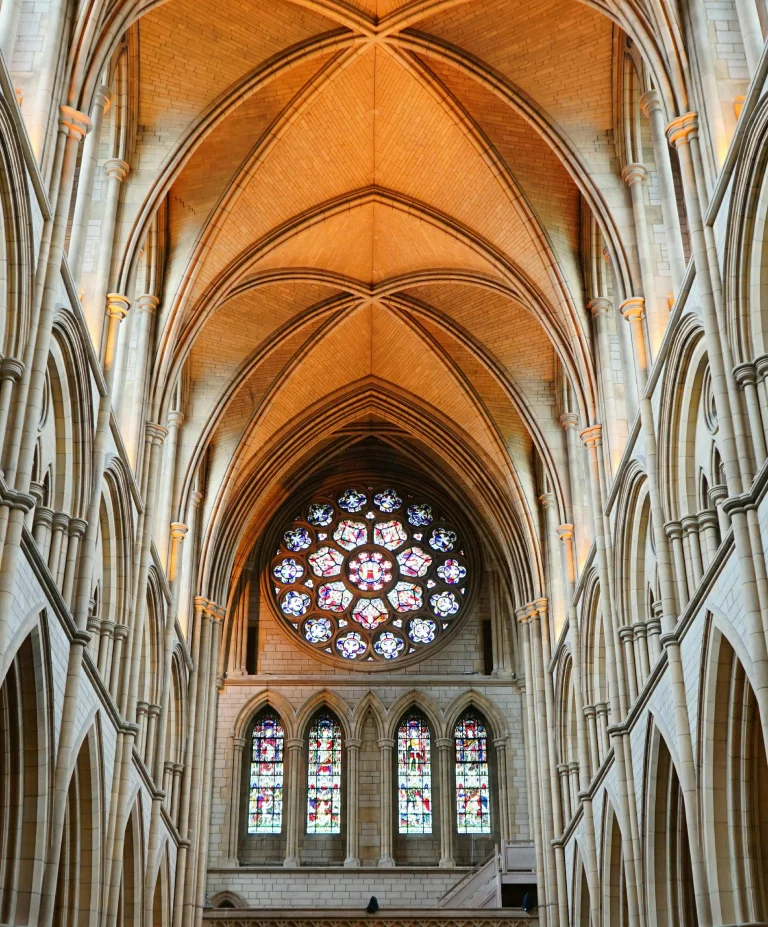
New? Plan Your Visit
About the Cathedral
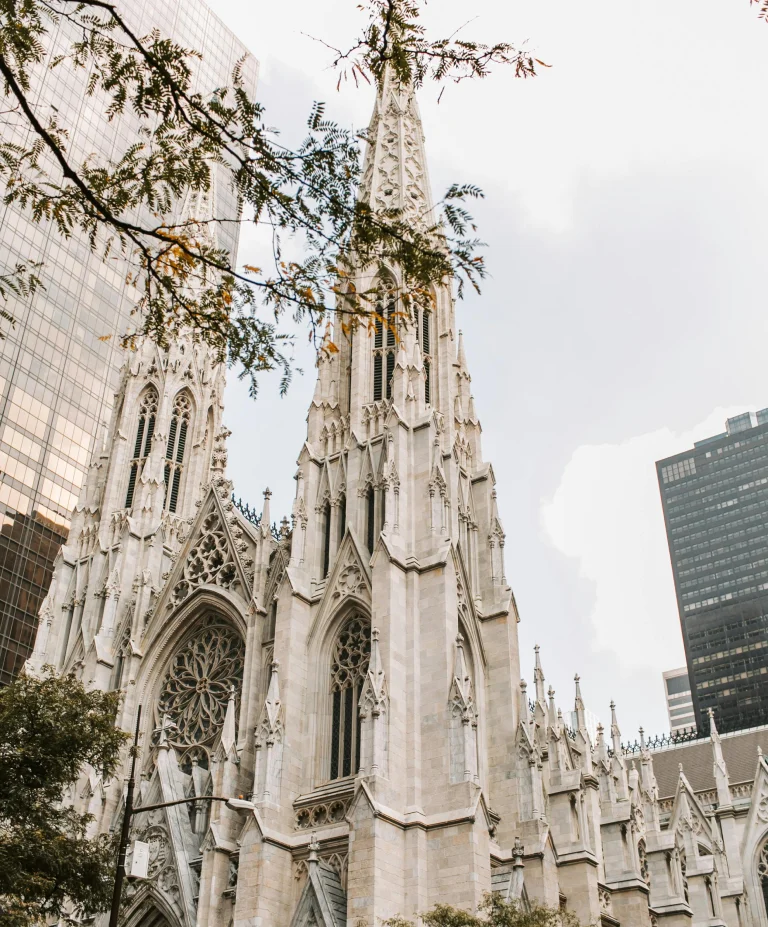
About the Cathedral
Youth Ministry

Youth Ministry
Online Sermons
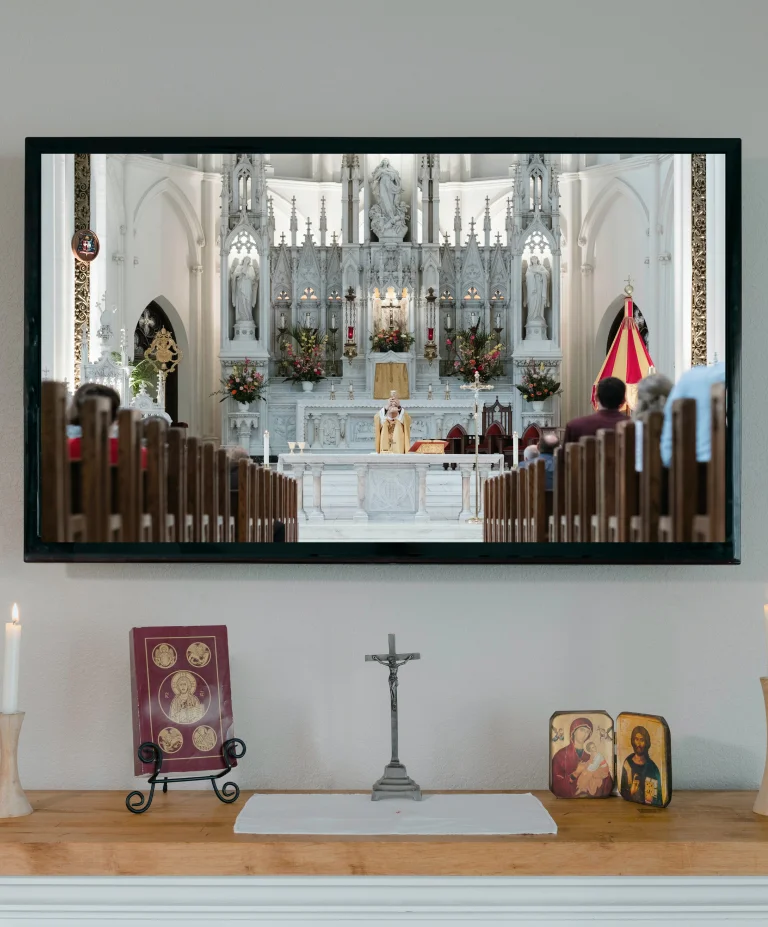
Online Sermons
The New Primitive Methodist Church
Although Primitive Methodism would become part of the wider Methodist Union in 1932, its distinctive spirit never disappeared. The passion for open and accessible Christianity, the encouragement of ordinary people to serve and lead, the commitment to fellowship, and the belief that faith should be lived as well as preached continue to inspire Christians today.
The New Primitive Methodist Church, reestablished in 2026 seeks to build upon that heritage. We honour the work of those early pioneers while exploring what Primitive Methodism can mean in the twenty-first century. We celebrate our history, preserve its stories, and continue its mission of sharing the Gospel with all who wish to hear it.
We welcome people from every background, denomination, and walk of life. Whether you are a lifelong Christian, belong to another faith, or are simply searching for meaning and community, you will find an open door here. We believe that faith grows through fellowship, service, learning, and mutual encouragement.
Our vision is not merely to remember Primitive Methodism, but to live it: to build communities of kindness, compassion and purpose; to support one another in faith; and to carry forward the message that inspired generations before us.
In the spirit of Hugh Bourne and the early Primitive Methodists, we look to the future with hope, conviction and a desire to share God's love with the world.Featured RECORDS
Finding the Kingdom and Living by the King’s Wisdom


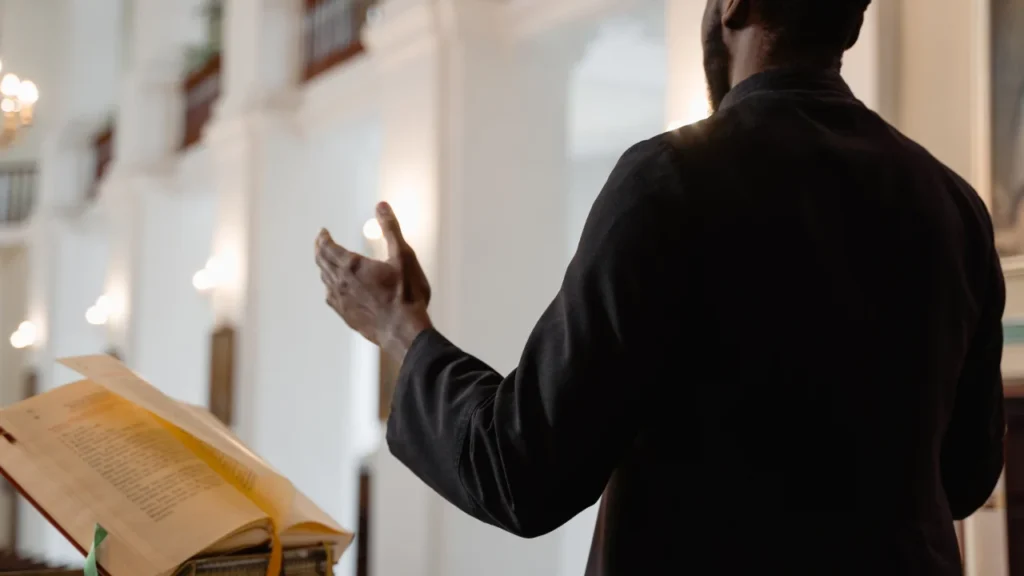
Founded in 1807
Primitive Methodism began in the early nineteenth century as a movement of ordinary people with an extraordinary faith. Founded by Hugh Bourne, William Clowes and others who believed the Gospel should be taken beyond church walls, the movement became known for its passionate preaching, open-air camp meetings, enthusiastic worship, and commitment to reaching those often overlooked by society.
What started on the hills of Mow Cop in Staffordshire soon spread across Britain and beyond. Primitive Methodists established chapels in towns, villages, mining communities and rural districts, encouraging lay preaching, education, temperance, mutual support, and practical Christian service. Their faith was active, accessible, and deeply rooted in everyday life.
By the late nineteenth century, Primitive Methodism had become one of Britain’s largest Nonconformist denominations, leaving behind thousands of chapels, schools, missions, and community institutions.
Today, Primitive Methodism lives on through its remarkable heritage and enduring values of faith, fellowship, evangelism, and service.
Reflect In Faith
For I know the plans I have for you, declares the Lord, plans for welfare and not for evil, to give you a future and a hope.
FAQ
What is a church?
What happens in a church service?
Who leads a church service?
A church service is typically led by a pastor, priest, minister, or other religious leader.
What denominations of Christianity have churches?
What is the purpose of a church?
Can anyone attend a church service?
Yes, most churches welcome visitors and newcomers to attend their services regardless of their religious background.